
The leadership you measure at work often goes unexamined at home.
Author: Onika Williams
Read Time 4-min | Read post online
Some of the most respected leaders I know struggle the most at home.
Not because they don’t care.
Not because they’re bad partners, parents, or friends.
But because the leadership they practice all day at work often disappears the moment they walk through their front door.
The leadership you measure at work often goes unexamined at home.
You know how to lead
At work, leadership is intentional.
You read the room before speaking. You pause before responding in tense conversations.
You think about how decisions will land with the people around you.
You’ve learned to lead that way over time.
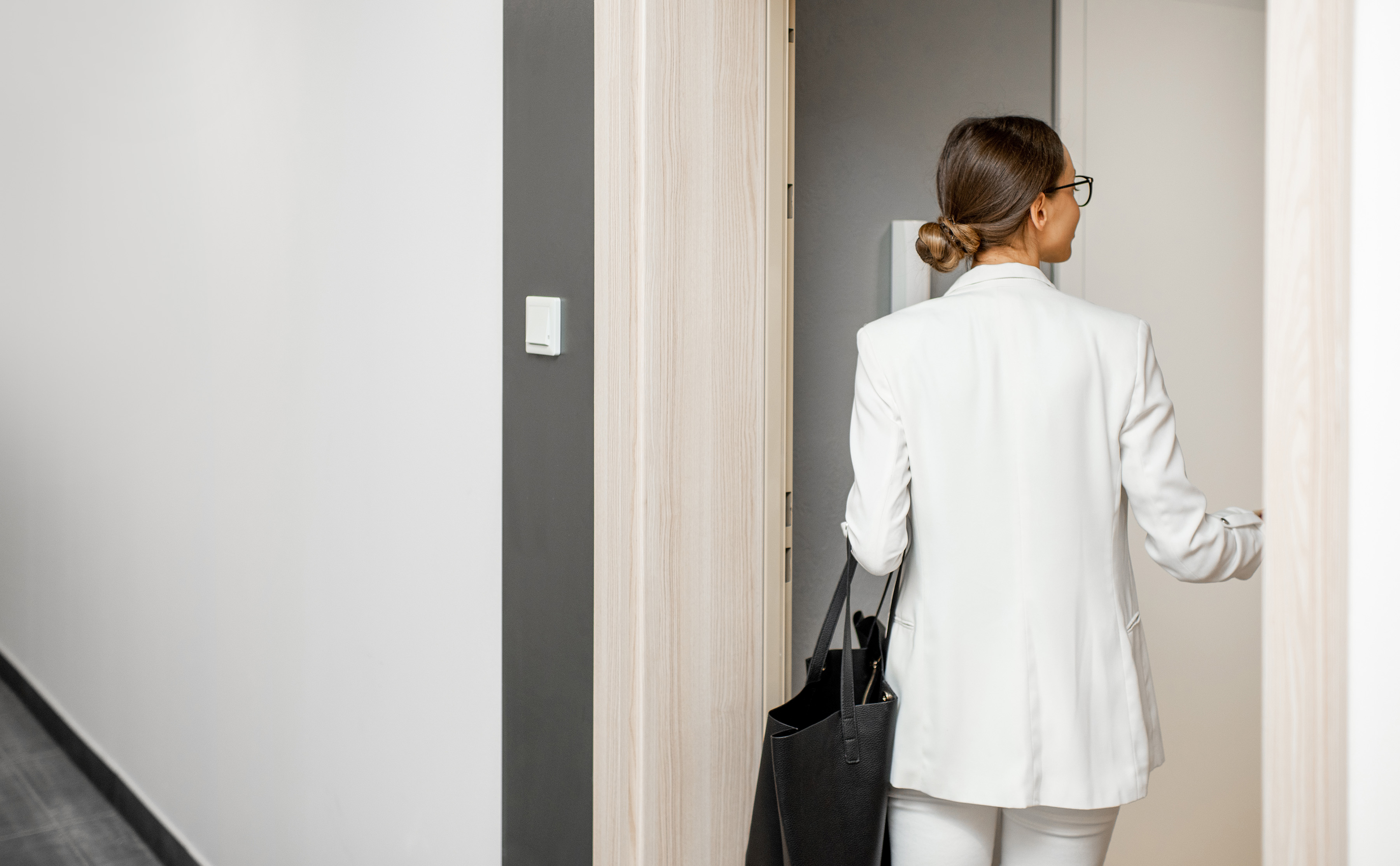
But when you walk through your front door, something shifts.
The same leader who carefully prepares for a difficult conversation at work might respond sharply to someone they love over something small. The leader who spends hours thinking about culture and engagement at work may give almost no thought to the culture they’re creating at home.
Most leaders never stop to examine that gap.
The work self vs. the home self
At work, leadership is visible.
Your title reflects it. Your compensation reflects it. Your influence inside the organization reflects it. There are metrics everywhere – performance, engagement, promotion readiness, retention.
You know whether you’re succeeding.
At home, there are no dashboards.
No quarterly review for how present you were this month.
No KPI measuring patience.
No survey capturing whether the people closest to you feel heard, respected, or emotionally safe.
So something subtle happens.
We apply discipline to work and assumptions to home.
We assume our intentions are obvious. We assume the people in our lives understand the pressure we’re under. We assume they know we care, even when our attention is somewhere else.
But leadership doesn’t work on assumption anywhere else in our lives.
Why would it work there?
When the mirror shows up later
Sometimes the mirror shows up years later.
This month marks five years since I started Evolv3 Consulting. Leaving corporate leadership has created a kind of distance I didn’t have before.
With that distance came a few conversations I wasn’t expecting.
Family and friends started sharing memories from those years in corporate life. Holidays where I’d glance at my phone under the table. Trips where my laptop was always nearby in case something from work came up.
None of those moments felt dramatic at the time. But hearing them later made me pause.
Not just because I had disrupted moments that were supposed to matter, but because no one had felt comfortable saying something in the moment.
It made me wonder how often leaders unknowingly create similar moments for the people around them.
The energy most leaders don’t account for
There’s another layer that many leaders recognize but rarely say out loud.
Leadership takes more emotional discipline than most people realize. You’re managing priorities, navigating personalities, and carrying the weight of decisions that affect other people’s work and livelihoods.
That kind of leadership takes energy.
By the time many leaders get home, a significant portion of their patience, attention, and emotional bandwidth has already been used.
Because work has quietly absorbed your sharpest thinking and emotional discipline for the day.
And home often receives whatever energy remains.
A moment that made me pause
Last year at dinner with two sorority sisters, I mentioned that my daughter gives me a full recap of her day after school – and that I’d started asking her for the “executive summary.” One of them looked at me and said, “As moms of teenagers, I promise you there will be days when you’d give anything to hear more than two words.”
That moment stayed with me. It was loving, honest, and direct.
I’ll unpack it more in this week’s episode of Coaching Corner, because it forced me to reconsider something many leaders don’t notice until later.
What 360° leadership really asks of us
Leadership isn’t something that only shows up in professional settings. It’s a pattern in how we handle pressure, how we listen, and how we show up for the people around us.
The same intentionality you bring to a difficult conversation with a colleague. The same care you use when navigating organizational dynamics. The same diplomacy you practice when influencing senior stakeholders.
Those skills matter just as much in the rooms where your title carries no authority.
Many leaders measure success through title, compensation, and influence at work. But very few ever stop to consider how they would measure the leadership they practice at home.
That’s the deeper question behind 360° leadership.
And it’s one worth sitting with.
Reflection Corner
If the people who know you best described the way you lead at home…
What would they say you value most?
And would that answer surprise you?
For the leader who meant to read this.
Leadership Insights Out Loud gives you the monthly newsletter and weekly emails in a private audio feed, so the message can move with you instead of getting buried in your inbox.
Subscribe for $5/month. Click here to get Leadership Insights Out Loud


Responses